August 17, 2026
A chimney plays an important role in safely venting smoke and combustion gases away from a home. Over time, however, soot, creosote, debris, and other buildup can collect inside the chimney and affect how well the system functions. Regular maintenance can help homeowners identify developing problems before they become more complicated. It can also support safer fireplace and heating appliance operation throughout the year. Understanding what happens during a chimney appointment can make the process less intimidating for homeowners who have never scheduled one. Knowing when to schedule service, what professionals look for, and how preparation works can also help homeowners get more value from an inspection. Professional maintenance is about more than simply removing visible buildup from the chimney. With the right care, homeowners can keep their chimney system cleaner, more functional, and better prepared for continued use.
Understanding the Purpose of Chimney Maintenance
Chimney maintenance helps remove combustible deposits and other materials that can accumulate inside the flue. When wood or other fuels burn, they can leave behind soot and creosote that gradually adhere to interior surfaces. Chimney sweeps use specialized tools to remove this buildup from areas that homeowners generally cannot reach safely. They can also look for signs of damage that may affect the chimney's performance. Cracks, loose components, damaged liners, and blockages can create concerns that may not be obvious from outside the home. Regular service gives homeowners an opportunity to address these conditions before they become more serious. The process can also help ensure that smoke and gases have a clear path to exit the home. Scheduling routine maintenance is therefore an important part of responsible fireplace and chimney ownership.
Recognizing Signs Your Chimney Needs Attention
Certain changes around a fireplace can indicate that a chimney needs professional attention. A strong or unusual odor coming from the fireplace may suggest accumulated deposits or moisture inside the chimney. Homeowners may also notice visible soot, excessive smoke, or difficulty getting a fire to burn properly. Chimney sweeps can investigate these symptoms and determine whether buildup, ventilation problems, or another issue may be contributing to them. Damaged masonry around the chimney can also indicate that water or weather exposure has affected the structure. Rust on fireplace components may provide another warning sign that moisture is entering the system. Homeowners should not assume that a chimney is safe simply because it appears clean from the room below. Addressing unusual signs promptly can help prevent a minor maintenance concern from developing into a larger repair issue.
Preparing for a Professional Chimney Appointment
Homeowners can take a few simple steps before a chimney appointment to make the process easier. The fireplace should generally be allowed to cool completely before a professional arrives to perform service. Moving decorative objects, furniture, or other belongings away from the fireplace can give the technician easier access to the work area. Chimney sweeps may use protective coverings to help keep soot and debris contained during cleaning. Homeowners should also let the technician know about any unusual smells, smoke behavior, or fireplace problems they have noticed. Information about the last cleaning or inspection can also help provide useful background. If the chimney has recently been used heavily, mentioning the frequency of use can help the professional understand its maintenance needs. A little preparation can make the appointment more efficient while giving the technician the information needed to evaluate the system properly.
Understanding What a Chimney Sweep Includes
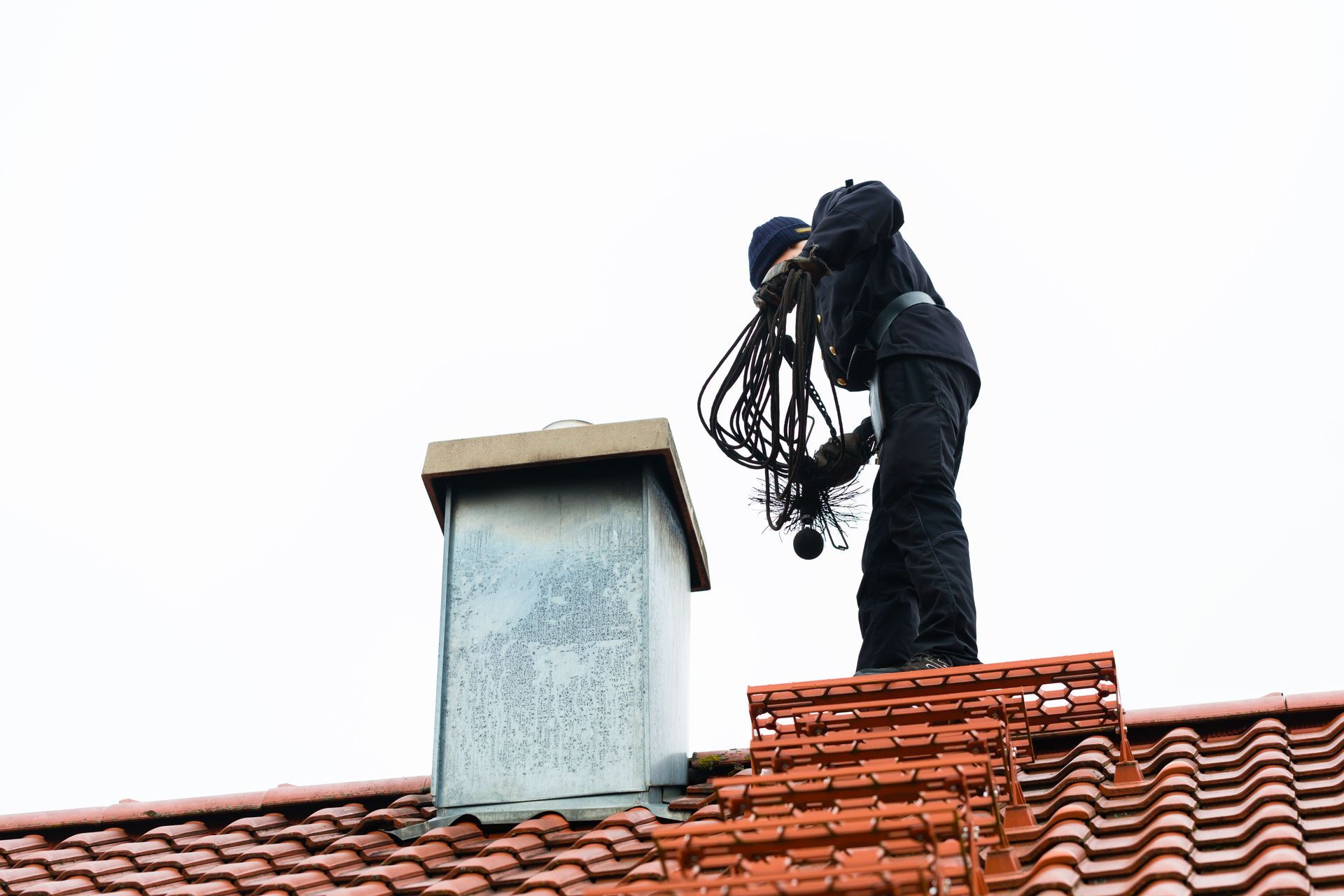
A professional chimney cleaning generally involves more than running a brush through the flue. The technician may begin by examining accessible portions of the fireplace and chimney before determining the appropriate cleaning method. Chimney sweeps use brushes, rods, vacuums, and other equipment designed to remove soot and creosote while limiting the spread of debris. According to HomeAdvisor, a routine chimney sweep combined with a quick inspection can typically take between 45 minutes and two hours. The actual appointment time can vary depending on the chimney's condition, accessibility, amount of buildup, and whether additional concerns are discovered. Heavily soiled systems or chimneys requiring more detailed inspection may take longer to service. Homeowners should allow enough time for the professional to complete the work without rushing the process. A thorough appointment gives the technician an opportunity to clean the system while also looking for conditions that deserve attention.
Identifying Common Chimney Problems
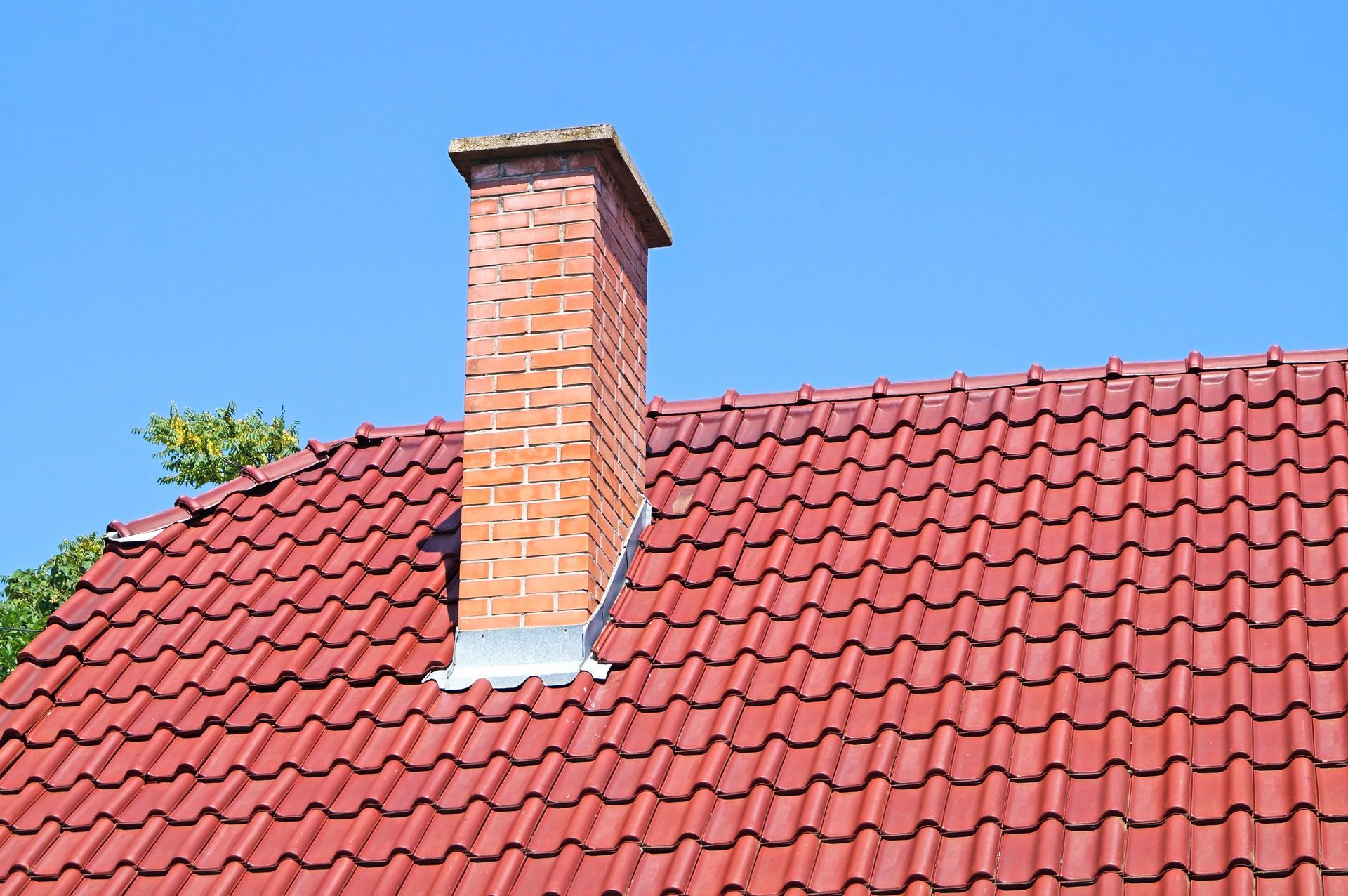
Chimneys can develop several problems as they are exposed to heat, moisture, temperature changes, and outdoor weather. Creosote accumulation is one concern because the substance can become increasingly difficult to remove as it builds up. Masonry can also deteriorate when water enters cracks and repeatedly freezes and thaws. Damaged chimney caps may allow rain, leaves, animals, and other debris to enter the flue. Chimney sweeps can identify many of these concerns during a professional evaluation and explain whether additional service is needed. A damaged liner may also affect how effectively the chimney contains and directs combustion byproducts. Some problems may require repairs from a qualified chimney professional rather than additional cleaning alone. Identifying these issues early can help homeowners make informed decisions about maintaining their chimney system.
Choosing the Right Maintenance Schedule
There is no single maintenance schedule that works equally well for every chimney. How frequently a chimney needs service can depend on the type of appliance, fuel being burned, frequency of use, and condition of the system. Homeowners who frequently use a wood-burning fireplace may need more regular attention than those who use their fireplace only occasionally. Chimney sweeps can evaluate the condition of the system and provide guidance about appropriate future maintenance. Changes in how a fireplace is used may also affect its cleaning needs. For example, increased use during colder seasons can lead to more combustion byproducts accumulating inside the chimney. Scheduling an inspection before the fireplace season can give homeowners an opportunity to address maintenance needs ahead of heavier use. Keeping a consistent maintenance routine can make it easier to track the condition of the chimney over the years.
Supporting Safer Fireplace Operation
A properly maintained chimney provides an important pathway for smoke and combustion gases to leave the home. When buildup or debris restricts that pathway, the fireplace may not operate as efficiently as intended. Professional cleaning can help remove materials that interfere with proper venting. Chimney sweeps can also look for blockages caused by leaves, animal nests, or damaged components. Maintaining the chimney can therefore support proper airflow and reduce concerns associated with neglected buildup. Homeowners should still follow safe fireplace practices, including using appropriate fuel and keeping combustible materials away from the fire. Professional maintenance does not eliminate every potential hazard, but it can address important maintenance-related concerns. Combining routine service with responsible fireplace use can help homeowners maintain a safer and more functional heating area.
Professional service is important, but homeowners can also monitor their chimney between scheduled appointments.
Keeping an eye on the fireplace, chimney exterior, and surrounding masonry can help identify changes that may require attention. Homeowners should avoid attempting to remove deep chimney buildup themselves, especially when specialized equipment or access is required. Chimney sweeps have the tools and experience needed to reach areas that may be difficult or unsafe for homeowners to access. Keeping the area around the fireplace clean can also make it easier to notice new soot or debris. Outdoor inspections may reveal loose masonry, damaged flashing, or a missing chimney cap that deserves professional evaluation. Any unusual smoke behavior, odors, or visible damage should be reported to a qualified professional rather than ignored. Contact Clearview Chimney Services Inc to schedule professional chimney maintenance and receive guidance tailored to your home's fireplace and chimney system.