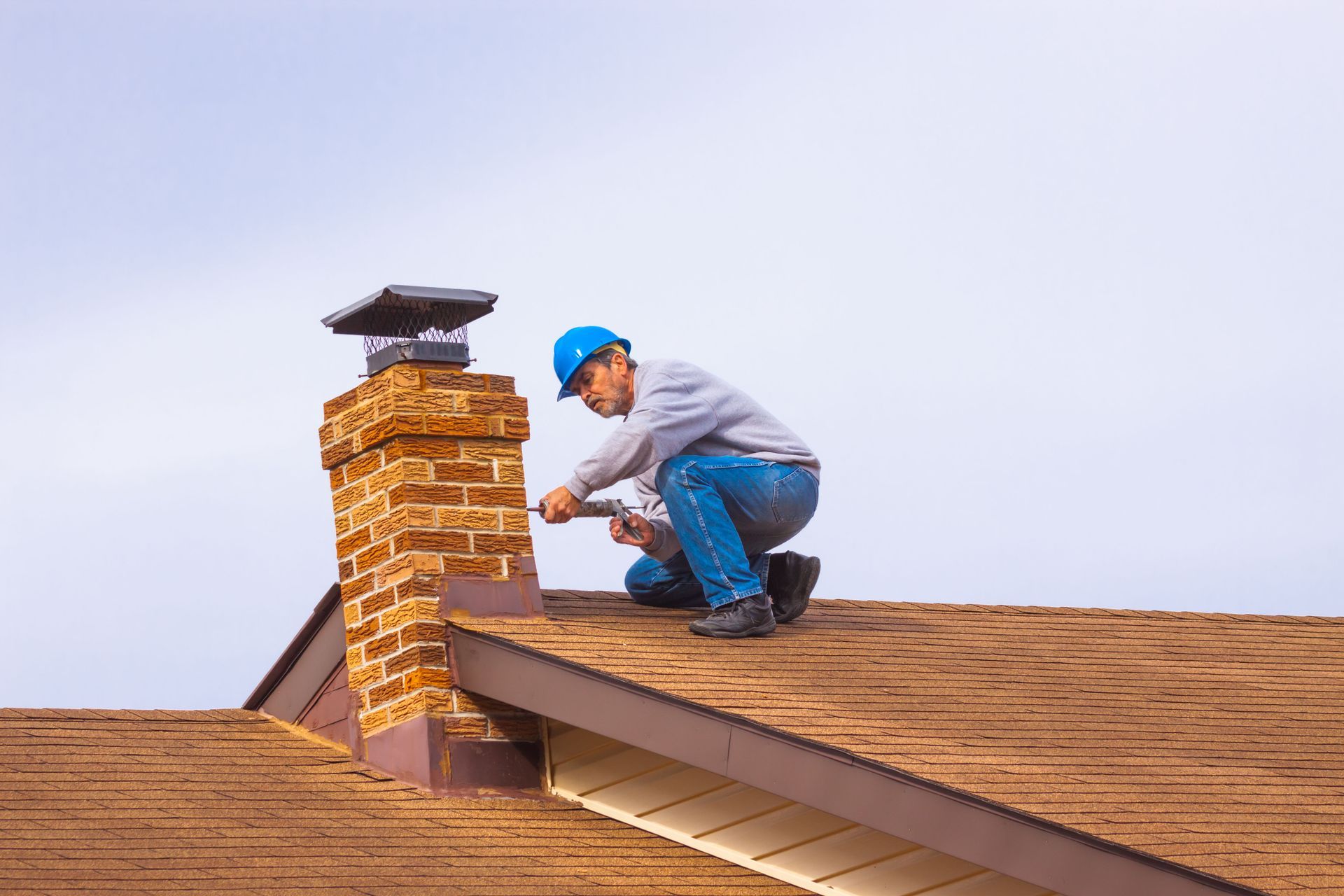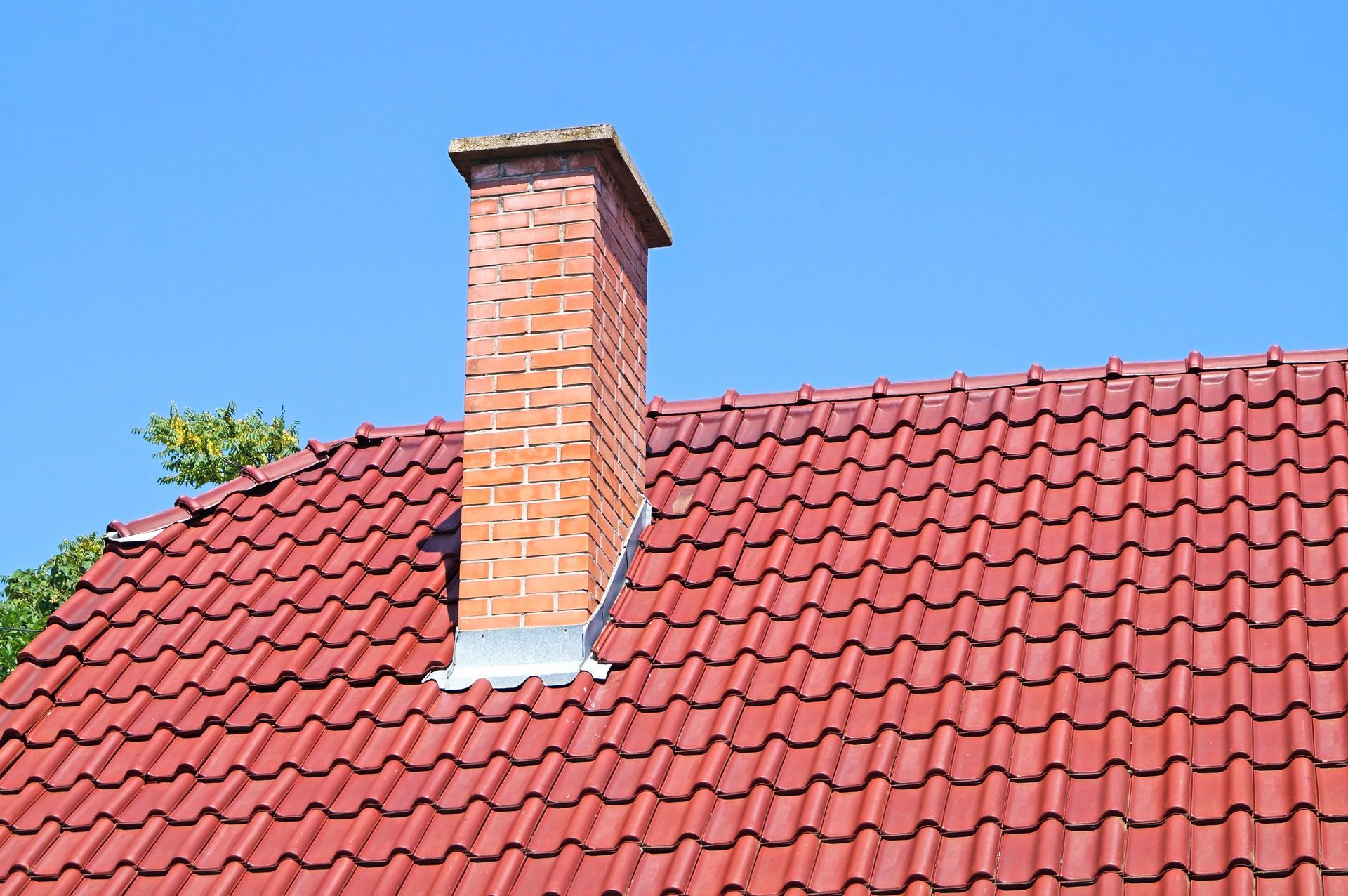
Many homeowners with unused fireplaces often overlook the need for regular inspections, assuming that lack of use means no risk. However, dormant fireplaces and chimneys remain highly susceptible to environmental wear, structural shifting, and pest infestations that can compromise your property's safety. Neglecting these areas can lead to hidden hazards that eventually affect the structural integrity and indoor air quality of your entire home. To prevent these subtle dangers from escalating into costly repairs, regular evaluations are necessary. We provide experienced Worcester, MA area fireplace assessments to keep your home safe, and we even offer same-day appointments available for your convenience.
Evaluate Hidden Structural Damage
Fireplaces that remain unused can suffer from structural damage that often goes unnoticed by homeowners. Over time, fluctuations in temperature and moisture can lead to cracks in both the chimney flue and the surrounding masonry. These fissures can worsen with weather changes, compromising the overall stability of the fireplace structure. Ignoring such issues can lead to costly repairs down the line. To prevent further deterioration, we recommend scheduling regular chimney inspections to assess the structural integrity, ensuring that any damage is promptly addressed.
Regular chimney inspections can also uncover minor imperfections that might not be immediately visible to the untrained eye. Our team can detect signs of wear, such as spalling bricks, mortar erosion, or the presence of rust and stains, which indicate deeper underlying issues. Ensuring these small problems are recognized and rectified early can prevent them from developing into significant concerns that might jeopardize the entire fireplace structure. We bring over 10 years of experience to every job, ensuring that no minor flaw goes unnoticed.
Furthermore, a degrading chimney can have significant implications for the overall integrity of a house. As the chimney deteriorates, it can compromise the adjoining walls and structure due to weakened support. This can ultimately affect the stability of a home, making regular evaluations an essential part of property maintenance. According to information shared by Home Advisor, scheduling a chimney inspection at least once a year is highly recommended, even if your fireplace is rarely used.
Prevent Residual Creosote Hazards
Creosote is a byproduct of combustion that accumulates in chimneys, forming a sticky, tar-like substance that can be highly flammable. When fireplaces are used, even infrequently, creosote residues can remain, clinging to chimney walls and posing a fire hazard. Understanding its formation is essential for grasping the risks it presents. When wood burns, smoke rises through the chimney; as it cools, it condenses, resulting in creosote and soot buildup. This buildup can vary in thickness and can lead to dangerous chimney fires if not routinely cleaned. In addition, creosote can emit an unpleasant odor that permeates indoor spaces, affecting the living environment.
Even if a fireplace remains unused, previously accumulated creosote does not magically disappear. The presence of creosote is not only a fire risk but also reduces the efficiency of a chimney's ability to expel smoke, posing additional safety concerns. This is why regular chimney inspections are so vital for older or dormant systems. Scheduling these assessments allows our professionals to gauge creosote levels and prevent potential issues. We offer price matching for all our services to ensure you get the best value for your safety. Additionally, regular inspections help detect any structural damage to the chimney, preserving its longevity.
Soot, a fine black powder resulting from incomplete combustion, is another byproduct that can accumulate in unused fireplaces. On its own, soot may not be highly flammable, but it poses significant health and structural risks if left unmanaged. Inside the home, it can lead to poor indoor air quality, exacerbating respiratory issues for residents. Moreover, extensive soot deposition can obscure creosote presence, delaying essential maintenance actions and amplifying fire risks. Routine chimney inspections are the most effective way to identify these hidden layer hazards. Addressing soot accumulation promptly ensures a cleaner and healthier environment for your family.
Deter Animal and Pest Infestations
Animal and pest infestations are surprisingly common in fireplaces, particularly those that remain unused over long periods. The warmth and shelter provided by chimneys and flues can attract a host of creatures, including birds, rodents, and insects. Birds, for instance, often seek chimneys as nesting sites, inadvertently causing blockages and obstruction in the ventilation system. Rodents, such as mice and rats, may also find refuge in these areas, posing additional structural and health concerns to homeowners. Keeping the fireplace and chimney components properly sealed and maintained is essential in preventing these infiltrations.
These unwanted guests can introduce organic material and debris into the chimney system, which can become fire hazards if ignited. Nesting materials left by birds can also block flues and lead to poor smoke ventilation, resulting in smoke damage inside the home. Moreover, the presence of rodents heightens the risk of insulation damage, gnawing issues, and potential entry points into living spaces. Annual chimney inspections are vital in identifying these signs of infestation early and implementing effective solutions. Preventative care and timely repairs can significantly reduce the likelihood of such hazardous occurrences.
Addressing such infestations requires professional intervention to safely remove animals and secure the chimney from future invasions. Techniques such as installing chimney caps or screening can provide effective barriers against new intruders while allowing smoke to escape unhindered. Routine chimney inspections help ensure that these preventative measures remain intact and effective, preserving the safety and functionality of both active and dormant fireplaces. We can help assess these entry points and provide the necessary chimney repair or masonry maintenance to keep pests out. For a comprehensive protection plan, consider consulting with experts who specialize in fireplace safety and maintenance strategies.
Resolve Hidden Moisture Damage
Water damage is one of the most insidious threats to an unused fireplace, initially appearing as minor issues but eventually leading to significant structural problems. Signs of prior water damage include rust on the damper or firebox and efflorescence—a white, powdery substance that appears on the chimney's exterior. These indicators suggest moisture intrusion, which can deteriorate the brick and mortar over time if left unchecked. Routine chimney inspections help detect these signs early, allowing for timely interventions before the chimney liner or structural masonry becomes severely compromised.
Another sign of water damage is the presence of a mold and mildew smell within the fireplace or adjacent rooms. This subtle sign often goes unnoticed until it becomes a much larger problem that impacts your living space. Comprehensive chimney inspections can identify these olfactory signals and pinpoint their sources, ensuring mold and mildew are effectively addressed. This is vital for maintaining indoor air quality and preventing health issues associated with mold exposure.
To make managing these property needs easier on your budget, we provide interest-free payment plans for our customers. Whether you require a brand new chimney installation, wood stove installation, or extensive chimney masonry maintenance services, we ensure the financial process is smooth. If an unexpected leak or structural failure creates an urgent hazard, we also have emergency services available within two to three hours. Protecting your home from the quiet degradation of an unused fireplace is a straightforward process when you rely on our experienced team. Contact Clearview Chimney Services Inc. today to schedule your annual safety assessment and keep your home secure.